

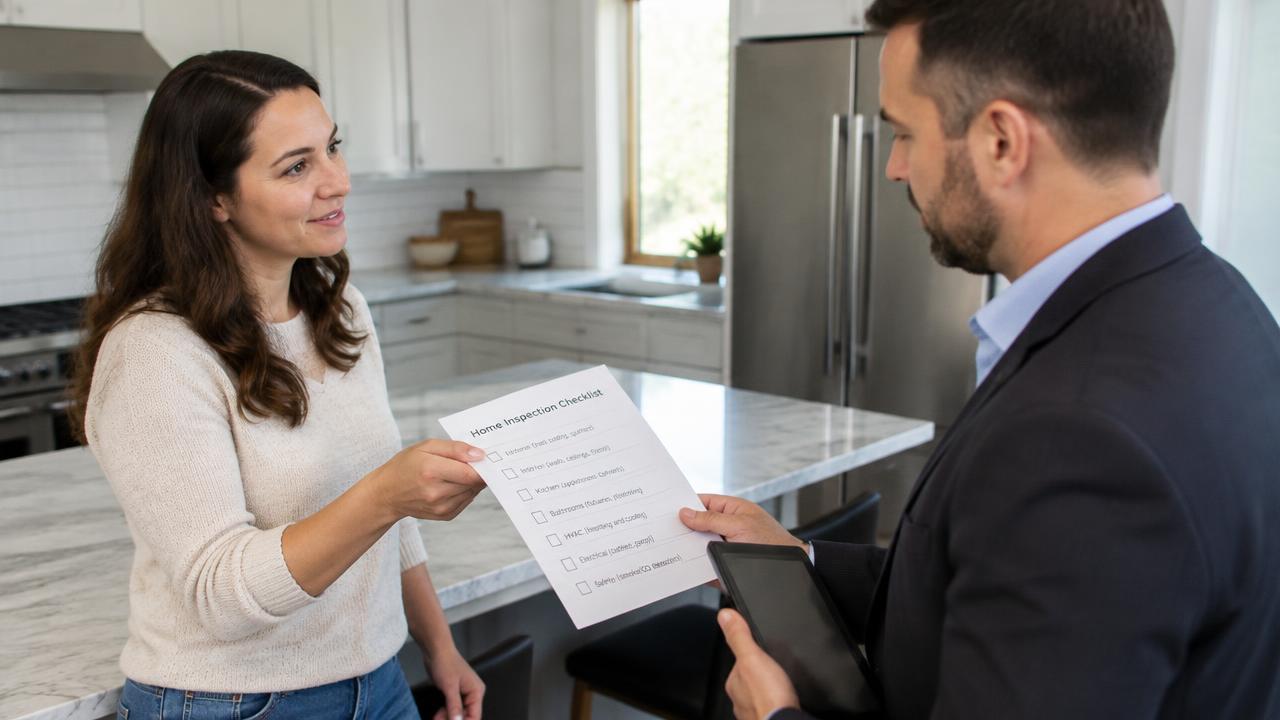
When a State Licensed Real Estate Appraiser walks through your front door—whether for a mortgage refinance, a divorce settlement, an estate valuation, or a home sale—it is completely normal to feel a little nervous. After all, the number on that final appraisal report directly impacts your equity, your loan approval, or your net proceeds.
In an effort to help, homeowners in Oakland County and Metro Detroit sometimes follow the appraiser from room to room offering a running commentary—and accidentally say things that either create awkward legal hurdles or raise unnecessary red flags.
As a State Licensed Appraiser with over 20 years of experience at Michigan Appraisal Team Inc, I want you to feel completely confident during your appointment. Reviewing 7 things you should NOT tell an appraiser—followed by the 4 pieces of information we genuinely love to receive—will help your inspection go smoothly.
7 Things You Should NOT Tell a Home Appraiser
1. "I Need the House to Appraise for at Least $X so My Loan/Deal Works!"
Whether you are refinancing or settling a buyout, telling an appraiser the exact dollar target you "need" them to hit puts them in an uncomfortable position. Under strict federal Appraiser Independence Requirements (AIR) and USPAP ethics laws, a licensed appraiser is legally prohibited from working toward a predetermined value target. Instead of stating a target number, let your documented upgrades and comparable sales speak for themselves.
2. "Zillow Says My House Is Worth $625,000!"
Quoting an online "Zestimate" to a licensed appraiser is a bit like telling your family doctor what WebMD diagnosed you with. Appraisers know that online algorithms have never stepped inside your West Bloomfield, Birmingham, or Novi home, cannot verify your ANSI square footage, and frequently pull non-comparable sales from across major school-district boundaries.
3. "My Brother-in-Law Helped Me Wire and Frame This Basement Without Pulling Permits"
Never boast about cutting corners on building codes or doing unpermitted structural, electrical, or plumbing work. While appraisers are not municipal code enforcement officers, if you explicitly tell an appraiser that an addition or electrical panel was installed illegally or unsafely, they may be required to note safety or marketability concerns in the report.
4. Volunteering Minor Past Problems That Have Already Been Permanently Repaired
If your basement had minor seepage six years ago and you subsequently installed a professional interior waterproofing system, new sump pump, and grading that completely solved the issue, don't say, *"This basement used to flood all the time!"* Instead, frame it positively on your upgrade sheet: *"Professional basement waterproofing and new sump pump installed in 2022."*
5. "My Neighbor Listed Their House for $700,000!"
Active listings reflect a homeowner's *wish list*, not proven market value. Unless a neighboring home has actually closed (or is a verified pending sale supported by closed data), what a neighbor is *asking* for their home cannot be used as primary proof of value.
6. Badmouthing the Neighborhood, Neighbors, or Local Traffic
Venting about how loud the nearby road gets at rush hour, complaining about neighborhood HOA disputes, or pointing out drainage issues in the subdivision can draw attention to "external obsolescence" (negative location factors outside your property lines that reduce market appeal).
7. Hovering Over Every Measurement
When an appraiser is using a laser device or tape measure to calculate your home's ANSI Z765 Gross Living Area (GLA) and capturing component-level UAD 3.6 photos, they are doing mental geometry and recording dozens of data points. Giving the appraiser breathing room to measure and photograph without distraction helps prevent errors and ensures nothing gets missed.
What You SHOULD Give the Appraiser Instead!
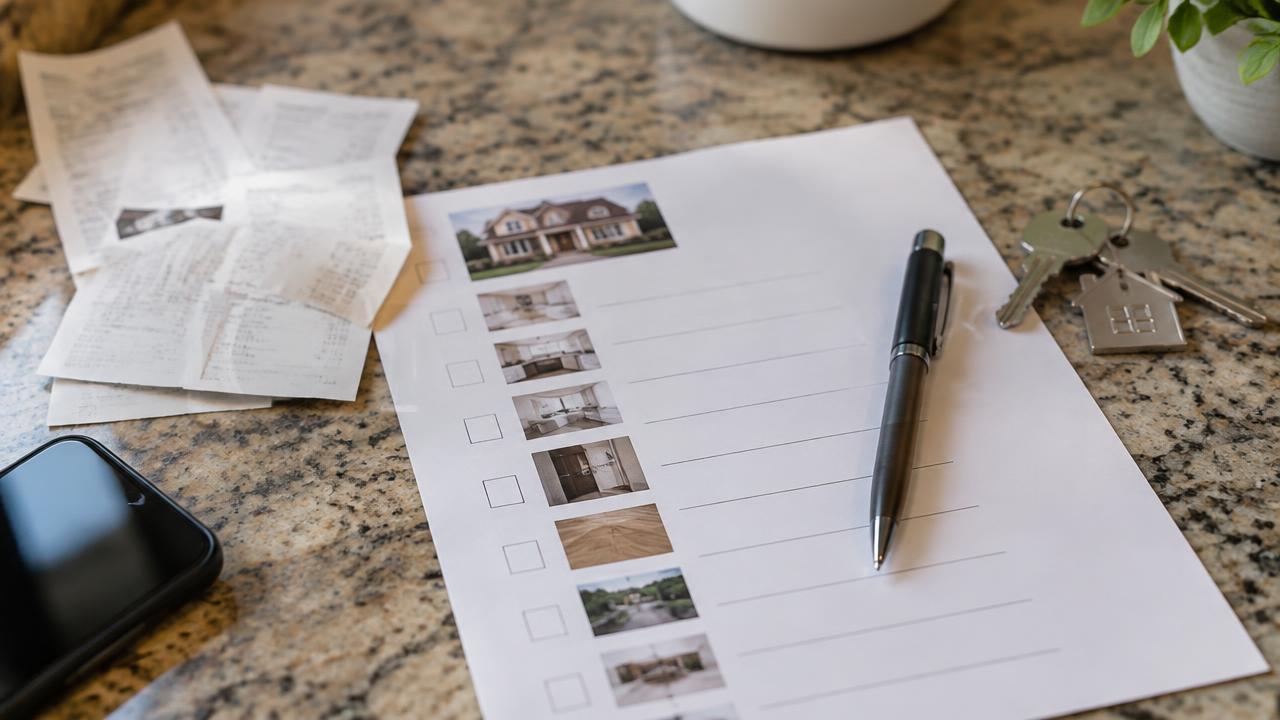
Instead of a verbal pitch, the single most effective thing you can hand an appraiser at the beginning of the walkthrough is a neat, one-page printed "Home Improvements & Neighborhood Sheet" containing:
- A Chronological List of Capital Upgrades: List the year and approximate investment for your roof, furnace/AC, water heater, windows, kitchen/bath remodels, hardwood floors, and generator.
- Upgrades Hidden Behind the Walls: Mention added attic insulation, updated 200-amp electrical service, copper/PEX plumbing updates, or exterior French drains.
- 2 to 3 Recent Closed Sales Nearby: It is 100% appropriate to politely leave a printout of recent, truly comparable closed sales in your immediate subdivision—along with a note if a nearby low sale was a distressed foreclosure or an unrenovated estate sale.
- HOA or Lake Access Details: In Oakland County lake communities, clearly note whether your property includes deeded beach, boat dock, or all-sports lake privileges.
Want an Appraiser Who Actually Listens and Explains the Process?
When you order a private appraisal directly from Michigan Appraisal Team Inc—for an estate, living trust, divorce, property tax appeal, pre-listing, or PMI audit—you are our client, and we take the time to answer every question you have.
- Call Us Directly: (248) 798-4446
- Email: info@michiganappraisalteam.com
- Office: 6775 Daly Road, Suite 104, West Bloomfield, MI 48322
- Get Started: Request an Appraisal Online or explore our All Appraisal Services page.