

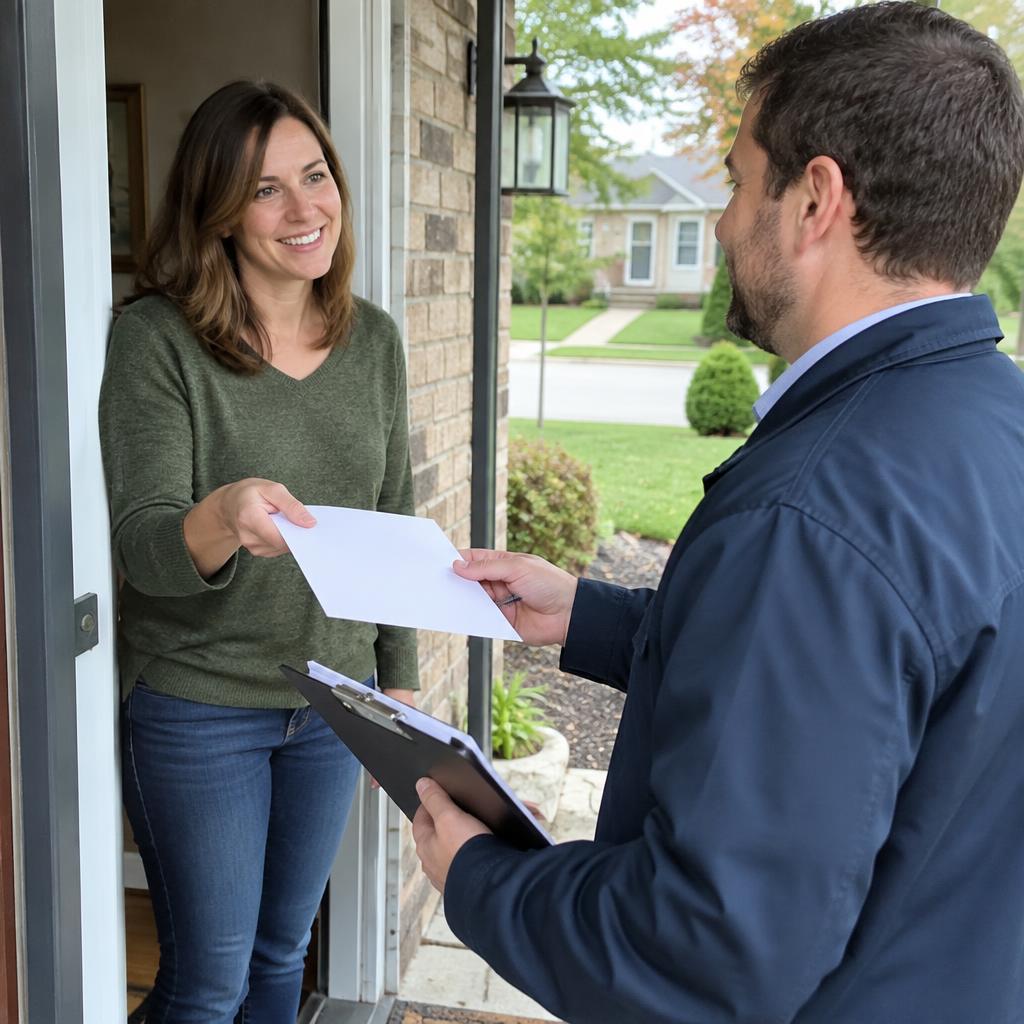
Whether you are refinancing your mortgage to secure a better rate, consolidating high-interest debt, tapping into home equity with a HELOC, or buying out an ex-spouse's share of the house, everything hinges on one appointment: the home appraisal inspection.
A higher appraised value lowers your Loan-to-Value (LTV) ratio—which can unlock lower interest rates, eliminate Private Mortgage Insurance (PMI), or increase the amount of equity you are allowed to borrow.
Yet many homeowners in Oakland County and Metro Detroit spend their weekend stressing over the wrong things—like scrubbing baseboards or organizing closets—while overlooking the factors that actually drive an appraisal valuation.
As a State Licensed Real Estate Appraiser with over 20 years of experience at Michigan Appraisal Team Inc, here are the 7 things appraisers actually evaluate during a refinance inspection—and how to prepare your home for maximum value.
1. A Written "Brag Sheet" of Recent Upgrades & Capital Improvements
While an appraiser can easily see a brand-new quartz countertop, some of your most valuable investments are hidden behind the walls or on the roof. Before the appraiser arrives, prepare a simple one-page sheet listing major improvements completed over the last 5 to 15 years, along with approximate dates and costs:
- New roof tear-off, windows, siding, or driveway replacement
- High-efficiency furnace, central AC, tankless water heater, or whole-house backup generator
- Kitchen and bathroom remodels, hardwood flooring installation, or finished basement additions
2. Clear Access to Every Room, Attic, Basement, and Garage
To complete a USPAP-compliant report (and satisfy Fannie Mae/Freddie Mac or FHA/VA guidelines), the appraiser must physically view and photograph every room, verify that utilities are operational, and measure the exterior perimeter of your home.
- Make sure locked basement utility rooms, attic scuttle accesses, attached garages, and gated side yards in West Bloomfield, Birmingham, or Novi are unlocked and unobstructed.
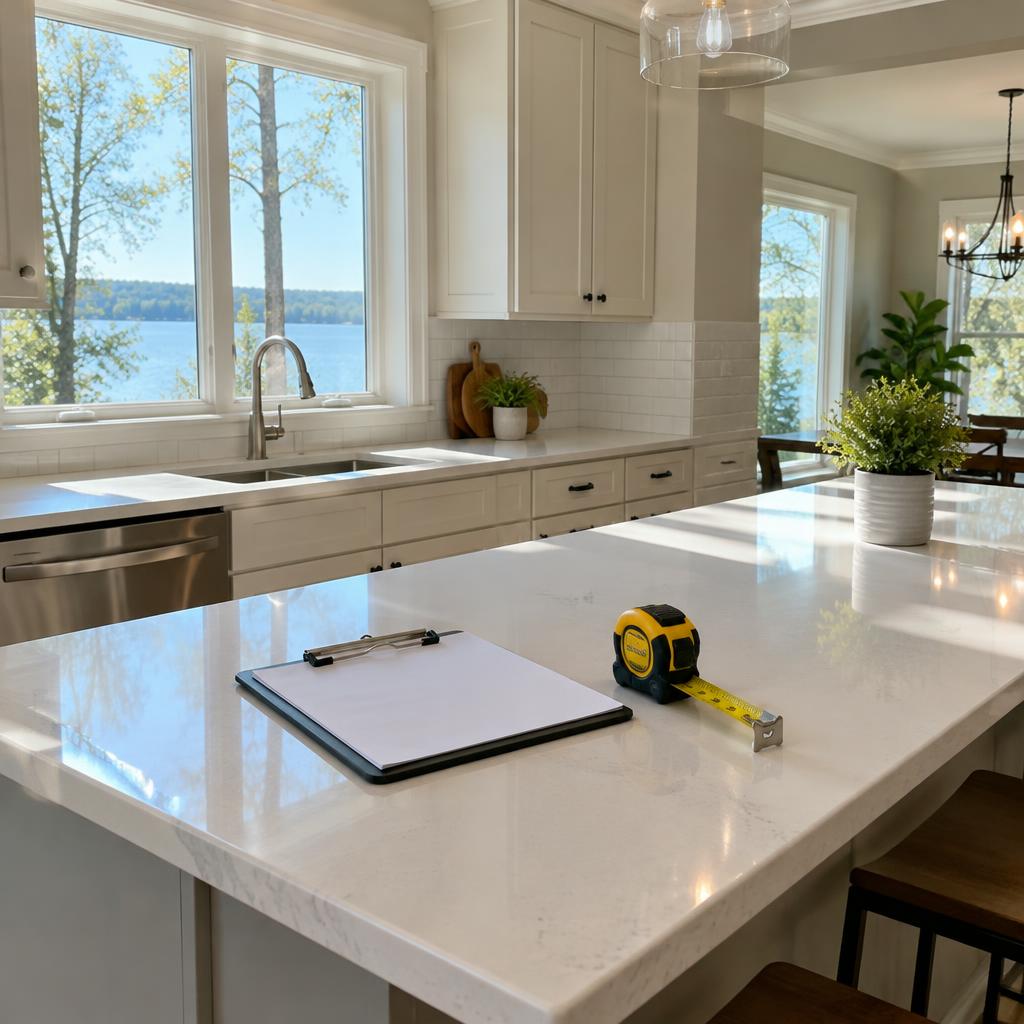
3. Taking Care of Obvious "Deferred Maintenance" First
Appraisers do not deduct value because there are dishes in the sink or kids' toys on the family room rug. We evaluate the permanent real estate, not your housekeeping.
However, visible deferred maintenance signals to an appraiser (and mortgage underwriters) that the home's overall condition rating (C1 through C6 on standard appraisal forms) may be lower than competing homes. Before your inspection, knock out quick fixes:
- Replace cracked window panes, missing outlet covers, or torn window screens.
- Touch up peeling exterior paint (especially important for FHA or VA loans).
- Fix leaky faucets, running toilets, or loose stair handrails.
- Replace burned-out lightbulbs so rooms appear bright, functional, and well-maintained.
4. Knowing How Above-Grade Square Footage (GLA) Is Measured
Under national ANSI Z765 measurement standards, appraisers must separate Above-Grade Gross Living Area (GLA) from Below-Grade (basement) square footage. Even if your walkout lower level on Orchard Lake or in Rochester Hills is finished to luxury perfection with a full kitchen and theater room, any level that is even partially below ground must be categorized separately from above-grade living area—and adjusted accordingly against comparable homes with finished walkout basements.
5. Heating & Year-Round Usability of Sunrooms and Additions
Do you have a beautiful four-season room or enclosed porch? For an addition to count toward your home's primary Gross Living Area (GLA), it must be finished to the same quality as the main house and connected to a permanent, year-round heating source. If a three-season porch is unheated, it still adds value as a separate line-item amenity, but it cannot be combined into the main square footage.
6. Relevant Neighborhood Information (Off-Market Sales & Concessions)
Appraisers have full access to local MLS systems (Realcomp) and county register of deeds records across Oakland, Wayne, Macomb, and Washtenaw Counties. However, if you know that the house two doors down sold slightly low last month because it was a distressed estate sale with severe water damage—or if a neighbor sold off-market without a Realtor—politely sharing that neighborhood context is always welcome.
7. Safety Devices (Smoke & Carbon Monoxide Detectors)
Many lenders and underwriters require confirmation that working smoke detectors and carbon monoxide alarms are installed on each level and near sleeping areas. Spending 10 minutes checking batteries before the appointment prevents annoying lender "re-inspection" delays.
Need a Pre-Refinance Valuation or Private Lending Appraisal?
Whether you want to know exactly what your home will appraise for before paying non-refundable bank application fees, or you need an independent residential appraisal in Southeast Michigan, Michigan Appraisal Team Inc is here to help.
- Call Us Directly: (248) 798-4446
- Email: info@michiganappraisalteam.com
- Office: 6775 Daly Road, Suite 104, West Bloomfield, MI 48322
Get Started: Request a Refinance Appraisal Online or explore our Services page.