


It is common to encounter three different numbers for the same house: an online estimate, a real estate agent’s suggested price, and an appraiser’s opinion of value. The differences can leave homeowners wondering which one is “right.” The better first question is what decision will this number be used for?
A quick online estimate, a comparative market analysis, and a formal appraisal serve different purposes and use different processes. Understanding those differences is especially important when the value will affect an estate, divorce, family buyout, tax appeal, or other consequential transaction.
What an Online Estimate Can—and Cannot—Tell You
Automated valuation models use available data and statistical methods to estimate value. A Zestimate is one familiar example. These tools can be convenient for a broad first look at a neighborhood or for following general market trends.
The estimate’s reliability depends on the information available to the model. Public records may contain errors, recent improvements may be missing, and interior condition may be unknown. A model may not fully capture a difficult layout, a busy-road location, a unique lakefront setting, or a home’s substantial deferred maintenance.
That does not make every online estimate wrong. It means the number should be treated as an estimate with limitations, not a guaranteed sale price or automatically sufficient evidence for a legal or tax purpose. A displayed number can also change as new data arrives, which is different from a report documenting a defined effective date.
What a Realtor’s Comparative Market Analysis Does
A comparative market analysis (CMA) helps an agent and seller discuss pricing and marketing. It commonly considers recent sales, active competition, pending transactions where information is available, and the agent’s knowledge of buyers and local conditions.
A thoughtful CMA can be valuable when deciding where to position a listing. It can also explain how presentation, repairs, competing homes, and pricing strategy may affect buyer response. An asking-price recommendation is nevertheless not the same as an independent appraisal for a specified intended use.
An ordinary CMA is generally not prepared as a USPAP appraisal report. Its suitability for an estate, divorce, lending decision, or tax dispute depends on the recipient’s requirements. Avoid assuming that any document containing comparable sales meets every valuation standard. Ask the attorney, CPA, lender, or other recipient what evidence they actually require.
What a Licensed Appraisal Adds
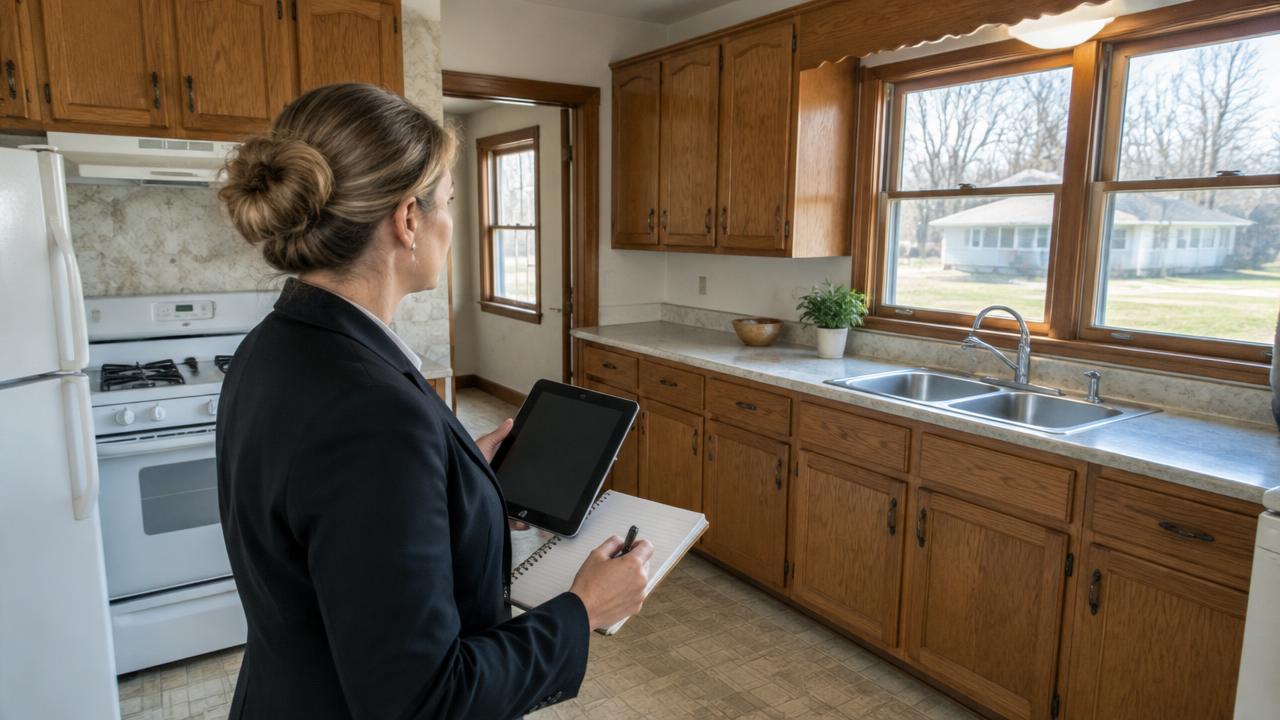
A real estate appraisal develops and communicates an opinion of value for an identified property interest, effective date, and intended use. A Michigan State Licensed Appraiser considers the scope necessary for credible results and documents the relevant analysis under applicable appraisal standards.
For a typical residential assignment, that may involve an inspection, research into market conditions and comparable transactions, verification of property characteristics, and supported analysis of differences between the subject and comparables. The report explains the reasoning rather than simply presenting a final number.
Not every appraisal has the same scope or format, and not every assignment involves the same level of physical inspection. Confirm what is included before ordering. An appraisal is also not a comprehensive home inspection, a guarantee of sale proceeds, or a promise that a court or agency will accept every conclusion without question.
Why Oakland County’s Unique Homes Need Careful Comparison
Two houses can share a zip code and similar square footage yet appeal to different buyers. Direct lake frontage may differ from canal frontage or shared access. School district, lot shape, topography, renovation quality, and functional layout can all influence market value.
A finished basement also should not automatically be treated as equivalent to above-grade living area. Market participants may value it, but reporting and comparison need to recognize the distinction. Similarly, a costly renovation may contribute less than its construction cost if buyers do not place the same value on that feature.
These nuances matter for lakefront homes in West Bloomfield, custom properties in Bloomfield Hills, older homes in Birmingham, and many other Metro Detroit neighborhoods. Selecting comparable evidence requires judgment; proximity alone is not enough. Our lakefront and luxury-home valuation guide explores those differences further.
Match the Method to the Purpose
For casual curiosity: an online estimate may be a reasonable starting point. Review its limitations and check whether the basic property facts are accurate before drawing conclusions.
For setting a listing strategy: a well-prepared CMA and an agent’s market knowledge may help evaluate competition, positioning, and likely buyer response. A separate appraisal may also be useful for a complex property or a disputed value.
For probate or tax-basis records: ask the attorney or CPA about the required date and report. A retrospective date-of-death appraisal may address a question that today’s estimate cannot answer.
For divorce or a family buyout: an independent appraisal can provide a neutral valuation input. It does not decide the legal equity split, ownership rights, or transaction terms.
For a property-tax protest: the evidence should address the applicable Tax-Day market value, property facts, and appeal requirements. An unrelated current estimate may not do that.
For a mortgage: the lender’s appraisal-ordering and acceptance requirements control. A report you order privately may not be usable for the loan, even if professionally prepared.
What to Do When the Numbers Disagree
First check whether all three values address the same date, condition, and purpose. A marketing recommendation intended to attract offers may differ from a historical value for estate records. An estimate created before a renovation may differ from a current analysis afterward.
Next compare the property facts and evidence. Are size and amenities accurate? Are the sales similar? Was the home’s interior inspected or otherwise reliably documented? Were unusual features and market changes considered?
If an appraisal appears to contain an error, ask specific questions and provide records. A credible review process focuses on the analysis, not on pressuring anyone to match whichever figure is highest or most convenient. No method becomes correct merely because its number favors your preferred outcome.
Questions to Ask Before Ordering an Appraisal
- Can you address my intended use and required effective date? Explain the decision and the recipient’s instructions.
- What scope and report format are appropriate? Ask about inspection, research, and documentation.
- What information should I provide? Mention repairs, improvements, prior listings, and historical records.
- Who will be identified as an intended user? Clarify this before assuming another party can rely on the report.
- Are review, testimony, or additional services included? Discuss anything beyond the written assignment separately.
Clear expectations help avoid paying for a report that answers a different question from the one you need resolved.
Choose Evidence That Fits Your Decision
Michigan Appraisal Team Inc can discuss independent residential valuation needs across Metro Detroit. If you are planning to sell, we can also explain the separate services described on our Real Estate Services page, while keeping appraisal and brokerage roles clear.
Get started: Request an appraisal or explore our appraisal services.
- Call: (248) 798-4446
- Email: info@michiganappraisalteam.com
- Office: 6775 Daly Road, Suite 104, West Bloomfield, MI 48322
This article is general education. Confirm legal, tax, lending, and evidence requirements with the professional or institution receiving the valuation.