


When a loved one passes away owning a home in Michigan, the person named as the executor (personal representative) or successor trustee is suddenly tasked with settling the estate. Shortly after meeting with a probate attorney or CPA, you will likely be told: "You need to get a Date of Death appraisal on the house."
For many families in Oakland, Wayne, Macomb, and Washtenaw Counties, this raises immediate questions: What is a Date of Death appraisal? How does it differ from a regular home appraisal? And what if my loved one passed away six months—or even two years—ago?
Here is a clear, plain-English guide to how Date of Death appraisals work in Michigan and why the IRS and probate courts require them.
Current Appraisal vs. Retrospective "Date of Death" Appraisal
In a standard real estate appraisal (such as for a mortgage refinance or home purchase), the appraiser determines what the property is worth *today*—on the exact day they walk through the home.
A Date of Death appraisal—known in the appraisal profession as a Retrospective Valuation—determines what the property's fair market value was on a specific historical date: the exact date the homeowner passed away.
Why Can't You Just Use Today's Value?
Real estate markets shift constantly. Interest rates fluctuate, seasonal demand rises and falls, and neighborhood prices change. If a homeowner passed away in October 2024, the IRS and Michigan probate courts need to know what the estate was worth on that specific date in October 2024—not what the market is doing a year or two later when the family finally gets around to filing tax returns or selling the property.
How Does an Appraiser Value a Home Backward in Time?
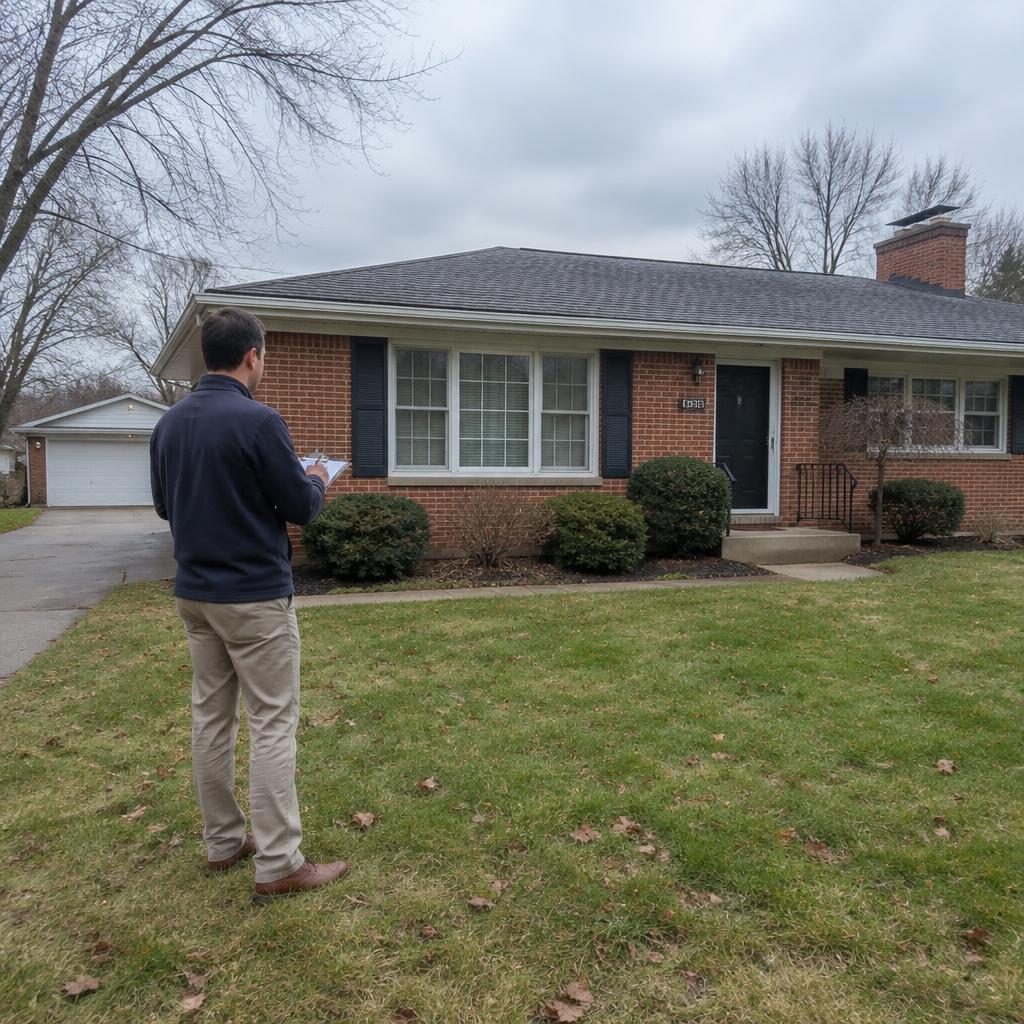
Even if several months or years have passed since the homeowner's death, a State Licensed Real Estate Appraiser at Michigan Appraisal Team Inc can accurately reconstruct the property's historical market value using a strict, step-by-step methodology:
- Physical Property Inspection: We visit the home in West Bloomfield, Royal Oak, Plymouth, Ann Arbor, or Sterling Heights to measure the exact square footage, verify the floor plan, and document the structure.
- Establishing Historical Property Condition: If the family has already made updates—such as replacing a roof, painting, or clearing out the home—after the date of passing, we interview the family or executor and review records so our valuation reflects the home's true condition as of the date of death.
- Pulling Historical Comparable Sales: Instead of looking at homes that sold last week, we research verified MLS and public county records for comparable neighborhood homes that closed right before (and up to) the exact date of death.
- Applying Market-Supported Adjustments: We analyze market conditions, inventory levels, and buyer demand from that exact timeframe to deliver a certified, USPAP-compliant retrospective valuation report.
Why the IRS and Michigan Probate Courts Reject Realtor CMAs and Zestimates
Executors sometimes ask if they can save time by printing a Zillow graph or asking a real estate agent for a quick comparative market analysis (CMA) letter.
Under IRS regulations (Treasury Regulation §20.2031-1) and Michigan probate rules, automated estimates and broker price opinions do not meet the definition of a qualified, independent appraisal:
- Real Estate Agents Have a Conflict of Interest: A CMA is a marketing tool designed to win a future listing—and real estate agents cannot legally perform retrospective valuations compliant with federal USPAP (Uniform Standards of Professional Appraisal Practice) guidelines.
- Audit & Fiduciary Protection: If the IRS audits an heir's capital gains tax return years later, or if a beneficiary challenges the estate inventory in Oakland County Probate Court, a certified appraisal report by a State Licensed Appraiser is the gold standard of legal proof.
Order a Date of Death Appraisal in Oakland County & Metro Detroit
Whether the homeowner passed away last month or several years ago, Michigan Appraisal Team Inc makes ordering a Date of Death appraisal straightforward and stress-free for executors, trustees, probate attorneys, and CPAs.
- Call Us Directly: (248) 798-4446
- Email: info@michiganappraisalteam.com
- Office: 6775 Daly Road, Suite 104, West Bloomfield, MI 48322
Schedule Online: Request a Date of Death Appraisal or learn more on our Senior Estate & Trust Appraisals page.