

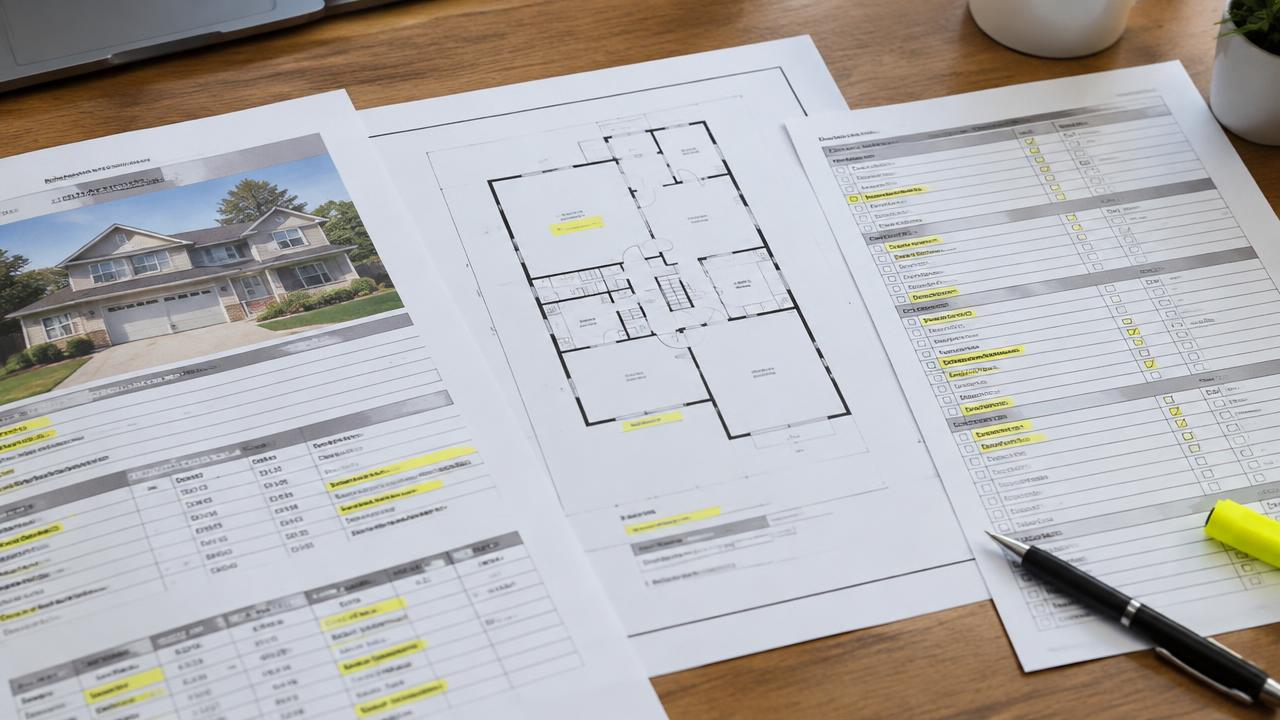
When a home appraisal report lands on the desk of a mortgage underwriter, a divorce attorney, a probate judge, or the Michigan Tax Tribunal, the reviewer isn't just flipping to the bottom page to look at the final dollar value. They are scanning the entire report—including the photographs, the ANSI floor plan sketch, and the comparable sales grid—for appraisal red flags.
In real estate valuation, a "red flag" falls into one of two categories:
- Physical Property Red Flags: Issues spotted at the house during the inspection that alert a lender or buyer to hidden structural, safety, or health risks.
- Valuation & Report Red Flags: Warning signs inside an appraisal report showing that a property was mismeasured, compared against the wrong neighborhoods, or valued inaccurately.
Understanding both types of red flags will protect your wallet and your timeline—whether you are preparing your home for an upcoming appraisal or reviewing an appraisal report provided by an opposing party in a divorce or tax appeal.
Part 1: 6 Physical Red Flags Appraisers Spot During an Inspection
When a State Licensed Appraiser walks through a home in Oakland, Wayne, Macomb, or Washtenaw County, they are trained to look past fresh staging and spot underlying defects that must be disclosed under USPAP and UAD 3.6 reporting standards:
1. Fresh Paint or New Drywall Patching Over a Single Basement Wall or Ceiling
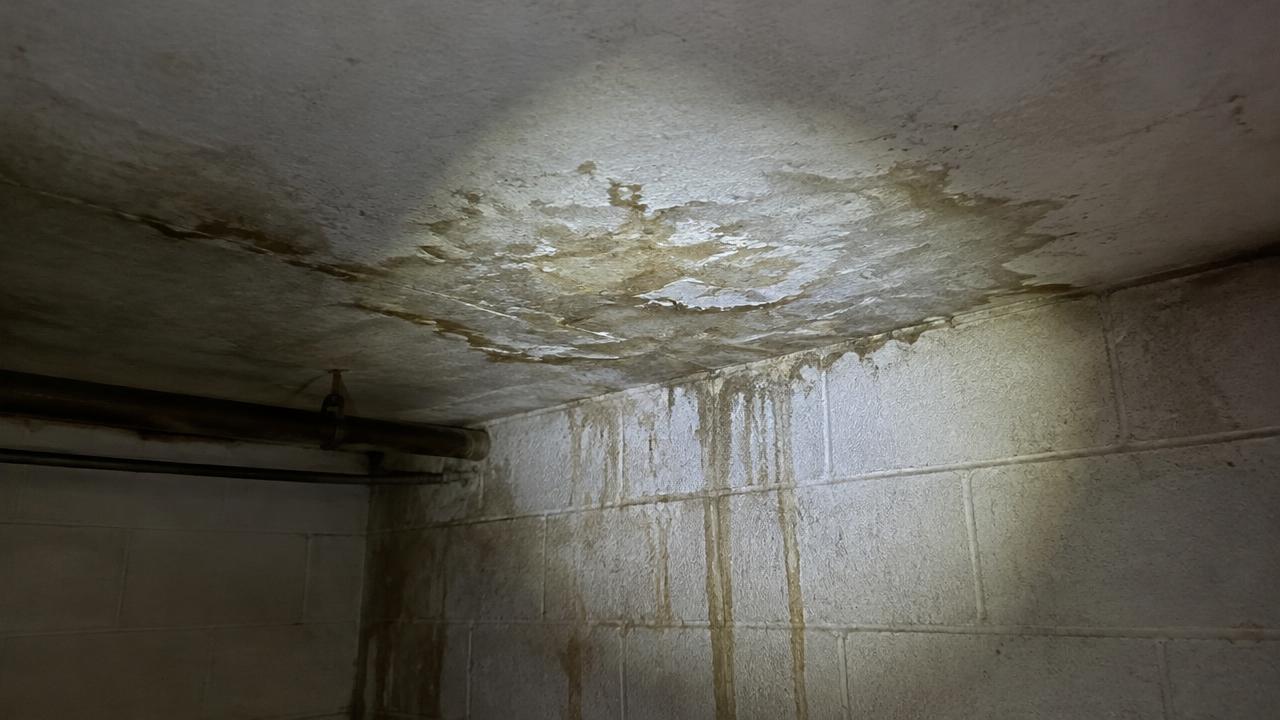
A freshly painted living room is great—but a single freshly painted 4x4 patch on a ceiling below an upstairs bathroom, or fresh heavy masonry paint on just one basement wall, immediately prompts a closer look for active plumbing leaks or foundation seepage.
2. Horizontal or Stair-Step Cracks in Foundation Walls
While vertical hairline shrinkage cracks in poured concrete are normal in Michigan, horizontal cracking, inward bowing of block walls, or sticking doors and sloping floors upstairs are major structural red flags that often trigger a mandatory structural engineer inspection for mortgage loans.
3. Active Water Intrusion, Sump Pump Failure, or Mold-Like Growth
Standing water in a crawlspace, dark organic staining along basement baseboards, or strong mildew odors will cause a mortgage underwriter to pause the loan until professional remediation or waterproofing is documented.
4. Unpermitted Room Conversions & Missing Bedroom Egress
Turning a basement room into a "bedroom" without a code-compliant egress window (large enough for emergency fire escape) is a major safety red flag. Not only can it not be counted as a legal bedroom, but calling it one misleads buyers and lenders.
5. Safety Hazards (Missing Handrails, Exposed Wiring & Peeling Pre-1978 Paint)
Especially on FHA and VA loans across Metro Detroit, peeling paint on pre-1978 homes, uncapped electrical junction boxes, missing stair handrails, or non-working utilities will flag the appraisal "Subject To" mandatory repairs before closing.
6. Environmental or External Hazards
Underground fuel oil tanks, failing septic systems or private wells (common in rural townships like Oakland Township, Milford, Commerce, or Scio Township), or abutting industrial hazards require immediate disclosure.
Part 2: 4 Valuation Red Flags When Reviewing Someone Else's Appraisal Report
If you are going through a divorce, settling a family estate among siblings, or fighting a property tax appeal, you may be handed an appraisal or valuation prepared by the other side. Watch out for these 4 report red flags:
- Cherry-Picked Comparable Sales From Superior Neighborhoods: Did the report compare a home in one school district against luxury sales half a mile away in a much higher-priced school district (a common mistake in West Bloomfield, Birmingham, and Troy)?
- Combining Basement Space Into Above-Grade Square Footage (GLA): Under national ANSI Z765 rules, below-grade finished walkout basements must *never* be added into the primary above-grade GLA line. Doing so artificially inflates the home's size and value.
- Excessive Gross/Net Adjustments Without Explanation: If every comparable sale required massive $100,000+ guesswork adjustments, the comparable sales chosen may not truly match the subject property.
- Ignoring Market Timing or Effective Date Rules: For a probate Date-of-Death appraisal or a Michigan property tax appeal (which is tied to December 31 Tax Day), using sales that closed long after the effective valuation date is a major methodological red flag.
Need a Reliable, Red-Flag-Free Appraisal in Southeast Michigan?
At Michigan Appraisal Team Inc, every appraisal report is personally prepared to strict USPAP, ANSI Z765, and UAD 3.6 standards by State Licensed Appraiser Joe Bahri—giving homeowners, attorneys, courts, and lenders complete confidence in the results.
- Call Us Directly: (248) 798-4446
- Email: info@michiganappraisalteam.com
- Office: 6775 Daly Road, Suite 104, West Bloomfield, MI 48322
- Get Started: Request an Appraisal Online or explore our Divorce and Estate & Trust Appraisals.